
Exploring the psychology of luck in casino gaming
The Illusion of Control
In casino gaming, many players believe they can influence outcomes through skill or strategy, particularly in high-stakes games. This illusion of control often leads individuals to engage in specific rituals or behaviors, which they believe enhance their luck. For instance, players may wear a lucky shirt or use a favorite betting strategy, feeling that these actions can sway the odds in their favor. Furthermore, if you’re interested in enhancing your experience, consider looking into online betting sites uk that offer various options for placing bets on such high-stakes games.

This psychological phenomenon stems from the desire to gain a sense of agency in an inherently unpredictable environment. By attributing outcomes to personal actions, players create a narrative that helps them cope with the randomness of luck. Understanding this aspect of gaming psychology can reveal why players often return to casinos, despite the odds being stacked against them.
The Role of Cognitive Biases
Cognitive biases significantly influence how players perceive luck and outcomes in casino gaming. One common bias is the “gambler’s fallacy,” where individuals believe that past outcomes can affect future ones. For instance, if a particular number hasn’t appeared in a while, a player might feel it is “due” to come up soon. This flawed reasoning can lead to misguided betting decisions and an overestimation of their influence over luck.
Another prevalent bias is confirmation bias, where players focus on winning streaks and disregard their losses. This selective memory reinforces the belief in luck and can lead to a dangerous cycle of chasing losses. By recognizing these biases, players can gain insights into their own behaviors, helping them make more informed decisions when gambling.
The Emotional Impact of Winning and Losing
The emotional highs and lows associated with gambling significantly affect a player’s psychology regarding luck. Winning can trigger feelings of euphoria, fostering a strong belief in personal luck and leading to continued play. Conversely, losing often results in frustration or despair, prompting players to reevaluate their strategies or search for new ways to regain their luck.
This emotional rollercoaster is a key factor in why players continue to gamble, even when faced with losses. The anticipation of potential future wins can overshadow the reality of statistical probabilities. Recognizing these emotional patterns can help players manage their expectations and develop healthier gambling habits.
Luck and Social Influences
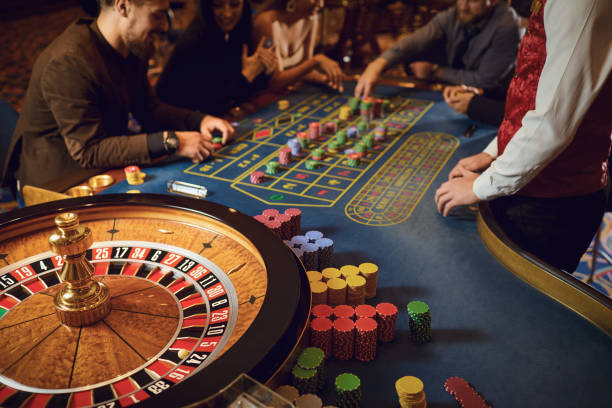
The social environment surrounding casino gaming also plays a critical role in the perception of luck. Players are often influenced by the behavior and attitudes of those around them. When in a lively atmosphere filled with cheering and excitement, individuals may feel an enhanced sense of luck and community, leading to increased wagering.
Additionally, social proof can impact decision-making; seeing others win can create a bandwagon effect, prompting more players to engage in risky betting behavior. This phenomenon highlights how social dynamics can amplify the psychological aspects of luck, ultimately shaping how individuals experience and perceive their gaming outcomes.
Your Go-To Resource for Casino Insights
At our website, we delve deep into the intricacies of casino gaming, including the psychology of luck. By providing informative articles and analyses, we aim to equip players with a better understanding of their gaming experiences. Whether you’re a novice or a seasoned player, our insights can help you navigate the complexities of luck in gaming.
We are dedicated to fostering a community where players can share experiences and learn from one another. Explore our resources today to elevate your gaming knowledge and understand the psychological factors that influence your casino experience.